Disclaimer: **I received this book free from NetGalley in exchange for an honest review. All thoughts and opinions are my own.**
Surrounded by poverty and paranoia her entire life, Wil has been left behind in her small Appalachian town by her mother and her best friend. Not only is she tending her stepfather’s illegal marijuana farm alone, but she’s left to watch the world fall further into chaos in the face of a climate crisis brought on by another year of unending winter. So opens Alison Stine’s moving and lyrical cli-fi novel, ROAD OUT OF WINTER (MIRA Trade; September 1, 2020; $17.99).
With her now priceless grow lights stashed in her truck and a pouch of precious seeds, Wil upends her life to pursue her mother in California, collecting an eclectic crew of fellow refugees along the way. She’s determined to start over and use her skills to grow badly needed food in impossible farming conditions, but the icy roads and desperate strangers are treacherous to Wil and her gang. Her green thumb becomes the target of a violent cult and their volatile leader, and Wil must use all her cunning and resources to protect her newfound family and the hope they have found within each other.
Thank you to MIRA and NetGalley for giving me a chance to read this eARC.
Let’s break it down:
My Attention: intrigued but kind of waned in the middle
World Building: fascinating – Appalachia Ohio enduring a very long winter, resources are low and people are in survival mode
Writing Style: slow, tense
Bringing the Heat: more like cold, VERY cold
Crazy in Love: no time for love in this story
Creativity: weed, an endless winter, and trying to survive makes for a very interesting story!
Mood: mixed feelings
Triggers: drug use, violence, mention of rape
My Takeaway: The currency of the future in a climate crisis will be seeds and someone who knows how to grow them.
I don’t read many eco-thrillers but this caught my eye because Wil is a weed grower and it’s a skill that will help her survive this endless winter. Wil comes from a place of poverty and heavy drug use, she’s been around all kinds of drug users since she was a child, and that helps her navigate her way out in this new cold world.
I like how the author describes what’s happening in the towns as winter doesn’t let up. We see resources grow scarce, people panicking and leaving for someplace else. There is no internet, no way to really communicate, no news…it’s a dire situation and it’s something that could happen in reality. That’s the thrilling and scary part of the story.
Wil is on a mission to get to her mom, so she needs to leave her town but she meets people along the way, and the further they get from home – they get into harrowing situations and meet other people on the road. They encounter different groups of people out there which made me wonder if Wil would get to her destination at all or intact?
Who knew being a weed grower would be a skill to come in handy? There isn’t much weed growing happening in this story but I understand that once she settles down somewhere it will be the knowledge that will help her grow food to survive.
I didn’t connect much to any character. But I think the story gets much more interesting when Jamey and Starla enters the picture.
The beginning for me was a slow build but the later half is definitely when things pick up. There is more action as Wil and her friends try to get out of certain situations.
The ending felt rushed, but will there be a sequel? I felt like more of the story could be told.
I think this was a solid eco-thriller. It made me feel this story could become reality in the future especially with how our planet is undergoing climate change. Wil is an interesting character who has survival skills because she grew up around drug users and she herself is a weed grower. Wil’s journey to her destination is filled with challenges and terror. If you like eco-thrillers, I think you will really enjoy this one.
About the Author:
ALISON STINE lives in the rural Appalachian foothills. A recipient of an Individual Artist Fellowship from the National Endowment for the Arts (NEA), she was a Stegner Fellow at Stanford University. She has written for The Atlantic, The Nation, The Guardian, and many others. She is a contributing editor with the Economic Hardship Reporting Project.
THE LAST STORY OF MINA LEE opens whenMargot Lee’s mother, Mina, doesn’t return her calls. It’s a mystery to twenty-six-year-old Margot, until she visits her childhood apartment in Koreatown, Los Angeles, and finds that her mother has suspiciously died. The discovery sends Margot digging through the past, unraveling the tenuous and invisible strings that held together her single mother’s life as a Korean War orphan and an undocumented immigrant, only to realize how little she truly knew about her mother.
Interwoven with Margot’s present-day search is Mina’s story of her first year in Los Angeles as she navigates the promises and perils of the American myth of reinvention. While she’s barely earning a living by stocking shelves at a Korean grocery store, the last thing Mina ever expects is to fall in love. But that love story sets in motion a series of events that have consequences for years to come, leading up to the truth of what happened the night of her death.
Here is an EXCERPT:
Margot 2014
Margot’s final conversation with her mother had seemed so uneventful, so ordinary—another choppy bilingual plod. Half-understandable.
Business was slow again today. Even all the Korean businesses downtown are closing.
What did you eat for dinner?
Everyone is going to Target now, the big stores. It costs the same and it’s cleaner.
Margot imagined her brain like a fishing net with the loosest of weaves as she watched the Korean words swim through. She had tried to tighten the net before, but learning another language, especially her mother’s tongue, frustrated her. Why didn’t her mother learn to speak English?
But that last conversation was two weeks ago. And for the past few days, Margot had only one question on her mind: Why didn’t her mother pick up the phone?
****
Since Margot and Miguel had left Portland, the rain had been relentless and wild. Through the windshield wipers and fogged glass, they only caught glimpses of fast food and gas stations, motels and billboards, premium outlets and “family fun centers.” Margot’s hands were stiff from clenching the steering wheel. The rain had started an hour ago, right after they had made a pit stop in north Portland to see the famous 31-foot-tall Paul Bunyan sculpture with his cartoonish smile, red-and-white checkered shirt on his barrel chest, his hands resting on top of an upright axe.
Earlier that morning, Margot had stuffed a backpack and a duffel with a week’s worth of clothes, picked up Miguel from his apartment with two large suitcases and three houseplants, and merged onto the freeway away from Seattle, driving Miguel down for his big move to Los Angeles. They’d stop in Daly City to spend the night at Miguel’s family’s house, which would take about ten hours to get to. At the start of the drive, Miguel had been lively, singing along to “Don’t Stop Believing” and joking about all the men he would meet in LA. But now, almost four hours into the road trip, Miguel was silent with his forehead in his palm, taking deep breaths as if trying hard not to think about anything at all.
“Everything okay?” Margot asked.
“I’m just thinking about my parents.”
“What about your parents?” Margot lowered her foot on the gas.
“Lying to them,” he said.
“About why you’re really moving down to LA?” The rain splashed down like a waterfall. Miguel had taken a job offer at an accounting firm in a location more conducive to his dreams of working in theatre. For the last two years, they had worked together at a nonprofit for people with disabilities. She was as an administrative assistant; he crunched numbers in finance. She would miss him, but she was happy for him, too. He would finally finish writing his play while honing his acting skills with classes at night. “The theatre classes? The plays that you write? The Grindr account?”
“About it all.”
“Do you ever think about telling them?”
“All the time.” He sighed. “But it’s easier this way.”
“Do you think they know?”
“Of course, they do. But…” He brushed his hand through his hair. “Sometimes, agreeing to the same lie is what makes a family family, Margot.”
“Ha. Then what do you call people who agree to the same truth?”
“Uh, scientists?”
She laughed, having expected him to say friends. Gripping the wheel, she caught the sign for Salem.
“Do you need to use the bathroom?” she asked.
“I’m okay. We’re gonna stop in Eugene, right?”
“Yeah, should be another hour or so.”
“I’m kinda hungry.” Rustling in his pack on the floor of the backseat, he found an apple, which he rubbed clean with the edge of his shirt. “Want a bite?”
“Not now, thanks.”
His teeth crunched into the flesh, the scent cracking through the odor of wet floor mats and warm vents. Margot was struck by a memory of her mother’s serene face—the downcast eyes above the high cheekbones, the relaxed mouth—as she peeled an apple with a paring knife, conjuring a continuous ribbon of skin. The resulting spiral held the shape of its former life. As a child, Margot would delicately hold this peel like a small animal in the palm of her hand, this proof that her mother could be a kind of magician, an artist who told an origin story through scraps—this is the skin of a fruit, this is its smell, this is its color.
“I hope the weather clears up soon,” Miguel said, interrupting the memory. “It gets pretty narrow and windy for a while. There’s a scary point right at the top of California where the road is just zigzagging while you’re looking down cliffs. It’s like a test to see if you can stay on the road.”
“Oh, God,” Margot said. “Let’s not talk about it anymore.”
As she refocused on the rain-slicked road, the blurred lights, the yellow and white lines like yarn unspooling, Margot thought about her mother who hated driving on the freeway, her mother who no longer answered the phone. Where was her mother?
The windshield wipers squeaked, clearing sheets of rain.
“What about you?” Miguel asked. “Looking forward to seeing your mom? When did you see her last?”
Margot’s stomach dropped. “Last Christmas,” she said. “Actually, I’ve been trying to call her for the past few days to let her know, to let her know that we would be coming down.” Gripping the wheel, she sighed. “I didn’t really want to tell her because I wanted this to be a fun trip, but then I felt bad, so…”
“Is everything okay?”
“She hasn’t been answering the phone.”
“Hmm.” He shifted in his seat. “Maybe her phone battery died?”
“It’s a landline. Both landlines—at work and at home.”
“Maybe she’s on vacation?”
“She never goes on vacation.” The windshield fogged, revealing smudges and streaks, past attempts to wipe it clean. She cranked up the air inside.
“Hasn’t she ever wanted to go somewhere?”
“Yosemite and the Grand Canyon. I don’t know why, but she’s always wanted to go there.”
“It’s a big ol’ crack in the ground, Margot. Why wouldn’t she want to see it? It’s God’s crack.”
“It’s some kind of Korean immigrant rite of passage. National Parks, reasons to wear hats and khaki, stuff like that. It’s like America America.”
“I bet she’s okay,” Miguel said. “Maybe she’s just been busier than usual, right? We’ll be there soon enough.”
“You’re probably right. I’ll call her again when we stop.”
A heaviness expanded inside her chest. She fidgeted with the radio dial but caught only static with an occasional glimpse of a commercial or radio announcer’s voice.
Her mother was fine. They would all be fine.
With Miguel in LA, she’d have more reasons to visit now.
The road lay before them like a peel of fruit. The windshield wipers hacked away the rivers that fell from the sky.
Born and raised in Los Angeles, Nancy Jooyoun Kim is a graduate of UCLA and the MFA Creative Writing Program at the University of Washington, Seattle. Her work has appeared in the Los Angeles Review of Books, Guernica, The Rumpus, Electric Literature, Asian American Writers’ Workshop’s The Margins, The Offing, the blogs of Prairie Schooner and Kenyon Review, and elsewhere. Her essay, “Love (or Live Cargo),” was performed for NPR/PRI’s Selected Shorts in 2017 with stories by Viet Thanh Nguyen, Phil Klay, and Etgar Keret. THE LAST STORY OF MINA LEE is her first novel.
Disclaimer: **I received this book free from NetGalley in exchange for an honest review. All thoughts and opinions are my own.**
“Hot, heartwarming, and hilarious…This is a knockout.” —Publishers Weekly, starred review
Award-winning, highly-acclaimed author Adriana Herrera delivers the sexy, modern enemies-to-lovers romance you’ve been waiting for.
Starting over is more about who you’re with than where you live…
Julia del Mar Ortiz is not having the best year.
She moved to Dallas with her boyfriend, who ended up ditching her and running back to New York after only a few weeks. Left with a massive—by NYC standards, anyway—apartment and a car lease in the scorching Texas heat, Julia is struggling…except that’s not completely true. Running the charitable foundation of one of the most iconic high fashion department stores in the world is serious #lifegoals.
It’s more than enough to make her want to stick it out down South.
The only monkey wrench in Julia’s plans is the blue-eyed, smart-mouthed consultant the store hired to take them public. Fellow New Yorker Rocco Quinn’s first order of business? Putting Julia’s job on the chopping block.
When Julia is tasked with making sure Rocco sees how valuable the programs she runs are, she’s caught between a rock and a very hard set of abs. Because Rocco Quinn is almost impossible to hate—and even harder to resist.
Thank you to Carina Press and NetGalley for giving me a chance to read this eARC.
My Reactions:
My Attention: it’s a quick read
World Building: Dallas, Texas with New York City nostalgia
Writing Style: flowed nicely, except for some typos (but this is an arc copy)
Bringing the Heat: 🔥🔥🔥🔥
Crazy in Love: Julia and Rocco are crazy for one another
Creativity: I like the Dominican representation
Mood: content
Triggers: abuse
My Takeaway: You can find love and make your own family in a new place away from home.
Julia is a confident, Dominican woman who is focused on the work she does with immigrant and refugee children. I liked her NYC pride even while living in Dallas. She’s doing her best to move on from her ex and making the most of life in a new city.
Rocco is trying to make a life in Dallas as an expat from NYC as well. He has a troubled past but he’s determined to live a good life and help his sister and niece as well. He and Julia connect on that level of being expats and for their love of family and friends.
Julia and Rocco are hot together. I mean their sex scenes were on fire! Their relationship grows steadily from co-workers, to friends, to lovers and more.
I like the Dominican culture representation because I don’t know much about it. But the author brought Dominican food to life and I was wanting to try everything they were eating in the book!
This copy is an arc so I hope the errors are fixed, but there were some typos that I had to reread to make sure and understand what the author was trying to convey.
This was a quick read and I wished I could connect to the characters more. I think I was hoping for more an enemies to lovers interaction but from the beginning they seemed like fast friends and not enemies at all. They are co-workers with Rocco being the person to evaluate her work, but still…they were friendly. I’d have love more tension between them.
This is a cute, workplace romance story between a sexy and smart Dominican woman and her co-worker. Seeing them get to know each other and flirt was fun and their sex scenes were hot! I love that they both valued family and friendship plus we get treated to Dominican and Latinx culture. Julia and Rocco are perfect for each other and they get their happy ending, as they should.
Check out this EXCERPT from Here to Stay:
Julia
I stepped into the elevator and shoved my phone into the pocket of my dress, took a moment to send a prayer to the employee discount that let me buy bomb clothes on a nonprofit worker budget, and did some mental math of what could be going on.
Was the program really in trouble? Could we actually get shut down?
Nope, I would not go there. I would not think about what it would be like to get on a plane back to New York dumped and unemployed. Not happening.
A distraction. That’s what I needed. Just as the door to the elevator was about to close, someone got in. The fact that I was eye level with the base of his throat was a good clue as to who it was, but when he opened his mouth and the now familiar knee-weakening baritone echoed off the walls of the elevator, I got my confirmation.
“Morning, Ms. Ortiz.” That voice could be used for interrogation tactics. Every muscle in my body loosened at the same time whenever I heard it.
I squeaked out a “Morning” and took my time lifting my head all the way up to look at the last person in the world I wanted overhearing my conversation with my mother.
Him.
Rocco Fucking Quinn, otherwise known as the “Team Leader” for the consulting firm looking to bag my job. The guy with the New York City-est name on the planet. I hadn’t exactly gotten personal with Mr. Quinn, but I picked up on that accent the first time we met.
“What’s good?” I really tried to sound polite, but my Queens jumped out in situations like this. I did not gulp, because I could not let this fucker see me sweat. I managed not to cut my eyes at him, but it was a close call.
I took him in, ramrod straight, every hair in its place, not a wrinkle in sight, and decided he could not be the proprietor of the laugh-choke from before. The man seemed to be completely lacking a sense of humor. I knew he must have teeth but I’d never seen them.
Yeah, definitely not him. That fact rallied my spirits a little bit as I stood close enough to pick up on how he smelled. Like the ocean and something woodsy. That was not helpful information.
Without saying another word, I ran my eyes over him. It struck me that he was not wearing something bespoke like pretty much everyone here. Don’t get me wrong, he still looked good enough to eat, but he was clearly on a budget. And at a place where everyone looked like they were heading to a New York Fashion Week photo shoot, it was sort of jarring. Still, the suit fit him well. And there was no question, this guy could wear the fuck out of a suit. I held back a whimper when I envisioned him in a Brioni or a Zegna. They’d have to put out a heat advisory for the building if that ever happened.
“I thought I could detect a familiar accent when I was coming down the hall.” His perfectly blue eyes twinkled at what I was certain was an expression of utter mortification on my face. He sounded pleasant enough, but he was also alluding to the fact that I was yapping on my phone. This wasn’t the first time he tried to be cute. Rocco Quinn seemed to like fucking with me. And it was only a matter of time before he stepped on my last nerve and I reamed him out.
Thankfully, just as I was scrambling to respond to his comment, the elevator got to my floor. I was planning to just leave him hanging and run off, but he was hot on my heels.
Dammit.
“Sounds like your mom misses you.”
Oh, for fuck’s sake. Why did he have to act all fake nice?
I nodded without looking at him. “She does. Listen, Mr. Quinn—”
“You can call me Rocco.”
Nope, that was not happening. I was not letting this sexy bastard talk me into getting all chummy with him. I was already on thin ice as it was. He could keep his pheromones and his slick-as-fuck expressions to his damn self. I came to a dead stop a few feet away from the conference room door where my boss—and whatever shitty news she was about to give me—was waiting.
When I turned around, Rocco was looking down at me with an expectant smile. God he was handsome, that jet-black hair so dark it almost had a tinge of blue and those eyes, piercing. And I guess he had teeth after all, and of course they were perfect. Asshole. I shook my head hard when my traitorous brain started wondering what Pantone color his eyes would be.
Get your head in the game, Julia del Mar.
I straightened my back, determined to fight off the debilitating effects of those gleaming teeth and perfectly pink lips. I had to remember this niceness was probably his way of getting us to let our guard down. He was here to find ways to cut jobs. I was not about to mouth off and get myself fired, but I needed to get some things clear.
“Look.” I was proud of myself for not rolling my neck or pointing at his face. “I know you’re trying to be nice, but you make me nervous.” I pulled on the hem of my blue polka-dot dress and smoothed my yellow cardigan, avoiding eye contact at all costs.
“Why do I make you nervous?”
Uh, maybe because you’re here to close down as much of the foundation as you can.
I refrained from actually saying that because I had not been raised by a Puerto Rican man and Dominican woman just so I could act like I had no home training with the guy who could get me fired. But it was a close call.
“I’m sorry for saying that. You don’t make me nervous.”
Lies.
Rocco Quinn didn’t just make me nervous. He made me want to run my hands all over that big-ass body and moon over his almost but not quite curly hair and blue eyes, in spite of the fact that I knew he was out here gunning for my entire program. And yet, I still wanted to kiss the hell out of him while I climbed him like a sequoia.
Adriana was born and raised in the Caribbean, but for the last fifteen years has let her job (and her spouse) take her all over the world. She loves writing stories about people who look and sound like her people, getting unapologetic happy endings.
When she’s not dreaming up love stories, planning logistically complex vacations with her family or hunting for discount Broadway tickets, she’s a trauma therapist in New York City, working with survivors of domestic and sexual violence.
Her Dreamers series has received starred reviews from Publishers Weekly and Booklist and has been featured in The TODAY Show on NBC, Entertainment Weekly, NPR, Library Journal and The WashingtonPost. Her debut, American Dreamer, was selected as one of Booklist’s ‘Best Romance Debuts of 2019’, and one of the ‘Top 10 Romances of 2019’ by Entertainment Weekly. Her third novel, American LoveStory, was one of the winners in the first annual Ripped Bodice Award for Excellence in Romantic Fiction. Adriana is an outspoken advocate for diversity in romance and has written for Remezcla and Bustle about Own Voices in the genre. She’s one of the co-creators of the Queer Romance PoC Collective. Represented by Taylor Haggerty at Root Literary.
Welcome to my stop on the blog tour for Secret Crush Seduction by. Jayci Lee!
My Rating: ⭐️⭐️⭐️⭐️
Title: Secret Crush Seduction (The Heirs of Hansol, #2)
Author: Jayci Lee
Format: eBook (NetGalley)
Pages: 224
Publication Date: 9/01/20
Publisher: Harlequin Desire
Categories: Contemporary Romance, Brother’s Best Friend, Interracial Relationship, Friends to Lovers, Billionaire, dynasty, Office Romance, Reunion
Disclaimer: **I received this book free from NetGalley in exchange for an honest review. All thoughts and opinions are my own.**
She’s done waiting for what she really wants…
“If I don’t have you after that kiss,
I’ll burn to dust from the inside out…”
Aspiring fashion designer Adelaide Song wants to prove she’s more than just a pampered heiress. All she needs is a little courage—and the help of deliciously sexy Michael Reynolds, her childhood crush and her brother’s best friend. But when her secret crush turns into an illicit liaison, Adelaide realizes mixing business with pleasure spells trouble for all her plans…
Thank you to Harlequin Desire and NetGalley for giving me a chance to read this eARC.
This is book two in The Heirs of Hansol series and we get to have Adelaide’s love story. Let’s break it down:
My Attention: it’s a really quick read so it had my full attention
World Building: the multi-billion Hansol fashion empire
Writing Style: flowed nicely
Bringing the Heat: 🔥🔥🔥
Crazy in Love: crush turned into lovers
Creativity: fun to see the Hansol family again
Mood: happy
Triggers: assault
My Takeaway: A crush on the boy Adelaide wanted forever turns into so much more.
I wanted Adelaide’s story since book one and I wasn’t disappointed. She’s beautiful, smart, can cook and comes up with an idea to design clothing for people with autism – I mean, she’s awesome! All she wants to do is have a part of the Hansol empire, but her grandmother doesn’t trust her because of her wild, partying past. Adelaide proves this time around she deserves a place in the family business.
Michael is older than Adelaide by like 10 years and he’s already divorced. He has some personal issues that makes it difficult for him to commit to Adelaide but love wins out. He knows how special she is. I like how they good they are together as a team.
I love the family dynamics in this series. We see Adelaide brother, Garrett and her cousin, Colin make appearances. But once again, Mrs. Song, her grandmother is boss!
The sex is steamy, the history between Adelaide and Michael is there, and their banter is fun. You can feel how they know each other so well, plus he’s basically part of the family, which was nice. This story hits all the checkmarks.
I think the books in this series are supposed to be short, but I enjoyed this couple so much I felt like the ending was so rushed, especially when it came to Michael’s “secret”.
This might be my favorite of the series so far mostly because I adore Adelaide! I’m glad she and Michael get a happy ending and I look forward to reading the next book in the series.
Amanda Hocking, the New York Times bestselling author of The Kanin Chronicles, returns to the magical world of the Trylle Trilogy with The Lost City, the first novel in The Omte Origins—and the final story arc in her beloved series.
The storm and the orphan
Twenty years ago, a woman sought safety from the spinning ice and darkness that descended upon a small village. She was given shelter for the night by the local innkeepers but in the morning, she disappeared—leaving behind an infant. Now nineteen, Ulla Tulin is ready to find who abandoned her as a baby or why.
The institution and the quest
Ulla knows the answers to her identity and heritage may be found at the Mimirin where scholars dedicate themselves to chronicling troll history. Granted an internship translating old documents, Ulla starts researching her own family lineage with help from her handsome and charming colleague Pan Soriano.
The runaway and the mystery
But then Ulla meets Eliana, a young girl who no memory of who she is but who possesses otherworldly abilities. When Eliana is pursued and captured by bounty hunters, Ulla and Pan find themselves wrapped up in a dangerous game where folklore and myth become very real and very deadly—but one that could lead Ulla to the answers she’s been looking for.
Here is an EXCERPT from the book!
Prologue
Ten Years Ago
“Tell me about it again,” I entreated—begged, really, in a small voice, small especially for a girl like me.
s he had a little too much hot tea and brandy, would tell me stories of other, less fortunate babies. One had been left out for the wolves, another drowned in the icy river. Still another was killed by an angakkuq, this time to be mashed into a paste for one of her potions.
On the other nights, he’d try to convince me there wasn’t any time for a story. But I’d beg and plead, and his eyes would glimmer—already milky with cataracts, lighting up when he spoke about monsters. I would pull the covers up to my chin, and his normally crackled baritone would go even lower, rumbling with the threat of the monsters he impersonated.
I was never sure how much he’d made up or what had been passed down to him, as he’d weave through all sorts of patchwork folklore—the monsters and heroes pieced together from the neighboring Inuit, our Norse ancestry, and especially from the troll tribe that Mr. and Mrs. Tulin belonged to—the Kanin.
But I had a favorite story, one that I asked for over and over again.
This one I loved because it was about me, and because it was true.
“Which one?” Mr. Tulin asked, feigning ignorance as he lingered at my bedroom door.
It was dark in my room, except for the cast-iron woodstove in the corner. My room had been a pantry before I was here, before Mr. Tulin had converted it into a tiny bedroom. Outside, the wind howled, and if I hadn’t been buried underneath the blankets and furs, I would’ve felt the icy drafts that went along with all that howling.
“The day you met me,” I replied with unbridled glee.
“Well, you turned out to be a big one, didn’t ya?” That’s what Mr. Tulin liked to say, particularly when I was scooping another helping of potatoes on my plate at the supper table, and
then I would sheepishly put half a portion back, under the sharp gaze of Mrs. Tulin.
But he wasn’t wrong. I was tall, thick, and pale. By the age of nine I was nearly five feet tall, towering over the kids in the little schoolhouse.
Once, I’d overheard Mrs. Tulin complaining aloud to a neighbor, saying, “I don’t know why they chose our doorstep to leave ’er on. By the size of her, her da’ must be an ogre, and her ma’ must be a nanuq. She’ll eat us out of house and home before she’s eighteen.”
After that, I tried to make myself smaller, invisible, and I made sure that I mended all my clothing and cleaned up after myself. Mrs. Tulin didn’t complain too much about me after that, but every once in a while I would hear her muttering about how they really ought to set up a proper orphanage in Iskyla, so the townsfolk weren’t stuck taking in all the abandoned strays.
I didn’t complain either, and not only because there was nobody to listen. There were a few kids at my school who served as a reminder of how much worse it could be for me. They were sketches of children, really—thin lines, stark shadows, sad eyes, just the silhouettes of orphans.
“You sure you wanna hear that one again, ayuh?” Mr. Tulin said in response to my pleas.
“Yes, please!”
“If that’s the one the lil’ miss wants, then that be the one I tell.” He walked back over to the bed, limping slightly, the way he did every time the temperatures dipped this low.
Once he’d settled on the edge of the bed, his bones cracked and creaked almost as loudly as the bed itself.
“It was a night much like this—” he began.
“But darker and colder, right?” I interjected.
His bushy silver eyebrows pinched together. “Are you telling it this time?”
“No, no, you tell it.”
“Ayuh.” He nodded once. “So I will, then.”
It was a night much like this. The sun hadn’t been seen for days, hiding behind dark clouds that left even the daylight murky blue. When the wind came up, blowing fresh snow so
heavy and thick, you couldn’t hardly see an inch in front of your nose. All over, the town was battened down and quiet, waiting out the dark storm. Now, the folks in Iskyla had survived
many a winter storm, persisting through even the harshest of winters. This wasn’t the worst of the storms we’d faced, but there was something different about this one. Along with the cold and the dark, it brought with it a strange feeling in the air.
“And a stranger,” I interjected again, unable to help myself.
Mr. Tulin didn’t chastise me this time. He just winked and said, “Ayuh, and a stranger.”
The old missus, Hilde, and I were hunkered down in front of the fireplace, listening to the wind rattling the house, when a knock came at the door.
Hilde—who scoffed whenever Tapeesa the angakkuq spoke of the spirits and monsters—shrieked at me when I got up to answer the door. “Whaddya think you’re doing, Oskar?”
“We’re still an inn, aren’t we?” I paused before I reached the door to look back at my wife, who sat in her old rocker, clutching her knitting to her chest.
Well, of course we were. Her father had opened the inn years ago, back when the mines first opened and we had a brief bout of tourism from humans who got lost on their way to the mines.
But that had long dried up by the time Hilde inherited it. We only had a dozen or so customers every year, mostly Inuit or visiting trolls, but whenever I suggested we close up and move south, Hilde would pitch a fit, reminding me that her family settled Iskyla, and she was settled here until she died.
“Course we’re an inn, but we’re closed,” Hilde said. “The storm’s too bad to open.”
Again the knocking came at the door, pounding harder this time.
“We got all our rooms empty, Hilde!” I argued. “Anyone out in this storm needs a place to stay, and we won’t have to do much for ’em.”
“But you don’t know who—or what—is at the door,”
Hilde stammered, lowering her voice as if it would carry over the howling wind and out the door to whoever waited on our stoop. “No human or troll has any sense being out in a storm like this.”
“Well, someone has, and I aim to find out who it is.”
I headed toward the door, Hilde still spouting her hushed protests, but my mind had been made up. I wasn’t about to let anyone freeze to death outside our house, not when we had ample firewood and room to keep them warm.
When I opened the door, there she stood. The tallest woman I ever saw. She was buried under layers of fabric and fur, looking so much like a giant grizzly bear that Hilde let out a scream.
Then the woman pushed back her hood, letting us see her face. Ice and snow had frozen to her eyebrows and eyelashes, and her short wild hair nearly matched the grizzly fur. She wasn’t much to look at, with a broad face and a jagged scar across her ruddy cheeks, but she made up for it with her size.
She had to duck to come inside, ever mindful of the large bag she carried on her back.
“Don’t bother coming in,” Hilde called at the woman from where she sat angrily rocking. “We’re closed.”
“Please,” the giant woman begged, and then she quickly slipped off her gloves and fumbled in her pockets. “Please, I have money. I’ll give you all I have. I only need a place to stay for the night.”
When she went for her money, she’d pushed back her cloaks enough that I could see the dagger holstered on her hip. The fire glinted off the amber stone in the hilt, the dark
bronze handle carved into a trio of vultures.
It was the symbol of the Omte, and that was a weapon for a warrior. Here was this giant troll woman, with supernatural strength and a soldier’s training. She could’ve killed me and Hilde right there, taken everything we had, but instead she pleaded and offered us all she had.
“Since we’re closed, I won’t be taking any of your money.” I waved it away. “You need sanctuary from the storm, and I’m happy to give it to you.”
“Thank you.” The woman smiled, with tears in her eyes, and they sparkled in the light like the amber gemstone on her dagger.
Hilde huffed, but she didn’t say anything more. The woman herself didn’t say much either, not as I showed her up to her room and where the extra blankets were.
“Is there anything more you’ll be needing?” I asked before I left her alone.
“Quiet rest,” she replied with a weak smile.
“Well, you can always holler at me if you need anything. I’m Oskar.”
She hesitated a second before saying, “Call me Orra.”
“It’s nice to meet you, Orra, and I hope you enjoy your stay with us.”
She smiled again, then she shut the door. That was the last I ever saw of her.
All through the night, she made not a peep, which upset Hilde even more, since it gave her nothing to complain about. I slept soundly, but Hilde tossed and turned, certain that Orra would hurt us.
By the time morning came, the wind had stopped and the sun had broken through the clouds for the first time in days. I went up to check on Orra and see if she needed anything, and
I discovered her gone.
She rode in on the back of the dark storm, and she left before the sun.
Her room had been left empty—except for a little tiny baby, wrapped in a blanket, sleeping in the middle of the bed. The babe couldn’t be more than a few weeks old, but already had a thick head of wild blond hair. When I picked her up, the baby mewled, but didn’t open her eyes.
Not until I said, “Ullaakuut,”—a good-morning greeting.
Then her big amber eyes opened. She smiled up at me, and it was like the sun after the storm.
“That’s how we met.” I beamed, and he smiled back down at me. Mrs. Tulin wasn’t sure if they would keep me, so she wouldn’t let him name me yet, but then they called me Ullaakuut
until it stuck.
“It was quite the introduction,” he agreed with a chuckle. “Oskar!” Mrs. Tulin shouted from the other room. “The fire’s gone cold!”
“I’ll be right down!” he yelled over his shoulder before turning back to me. “Well, you’ve had your story now, and Hilde needs me. You best be getting to sleep now. Good night, Ulla.”
“Good night.” I settled back into the bed, and it wasn’t until he was at the door that I mustered the courage to ask him the question that burned on the tip of my tongue. “How come my mom left me here?”
“I can’t say that I understand it,” he said with a heavy sigh. “But she’d have to have got a mighty good reason to be traveling in that kinda storm, especially with a newborn. She was an Omte warrior, and I don’t know what kind of monsters she had to face down on her way to our doorstep. But she musta known that here you’d be safe.”
“Do you think she’ll come back?” I asked.
His lips pressed into a thin line. “I can’t say, lil’ miss. But it’s not the kind of thing I would hang my hat on. And it’s nothing that you should concern yourself with. You have a home here as long as you need it, and now it’s time for bed.”
Chapter 1
Home
Emma sprinted into my room first, clutching her older brother’s slingshot in her pudgy hands, and down the hall Liam was already yelling for me.
“Ulla! Emma keeps taking my stuff!” Liam rushed into my room in a huff, little Niko toddling behind him.
My bedroom was a maze of cardboard boxes—all of my worldly possessions carefully packed and labeled for my move in six weeks—and Emma darted between them to escape Liam’s grasp.
“He said he was going to shoot fairies in the garden!” Emma insisted vehemently.
Liam rolled his eyes and brushed his thick tangles of curls off his forehead. “Don’t be such a dumb baby. You know there’s no such things as fairies.”
“Don’t call your sister dumb,” I admonished him, which only caused him to huff even louder. For only being seven years old, Liam already had quite the flair for the dramatic. “You know, you’re going to have to learn how to get along with your sister on your own. I’m not going to be around to get in the middle of your squabbles.”
“You don’t have to tell me that,” Liam replied sourly. He stared down at the wood floor, letting his hair fall into his eyes. “She’s the one that always starts it.”
“I did not!” Emma shouted back. “I only wanted to protect the fairies!”
“Emma, will you give Liam back his slingshot if he promises not to kill anything with it?” I asked her. She seemed to consider this for a moment, wrinkling up her little freckled nose, but finally she nodded yes.
“I was never really going to kill anything anyway,” he said.
“Promise!” Emma insisted.
“Fine. I promise I won’t kill anything with my slingshot.”
He held his hand out to her, and she reluctantly handed it back to him. With that, he dashed out of the room, and Emma raced after him.
Niko, meanwhile, had no interest in the argument, and instead made his way over to me. I pulled him into my arms, relishing the way his soft curls felt tickling my chin as I held him, and breathing in his little-boy scent—the summer sun on his skin and sugared milk from his breakfast.
“How are you doing this morning, my sweet boy?” I asked him softly. He didn’t answer, but Niko rarely did. Instead, he curled up more into me and began sucking his thumb.
I know I shouldn’t pick favorites, but Niko would be the one I missed the most. Sandwiched between Emma and the twins, he was quiet and easily overlooked. Whenever I was having a bad day or feeling lonely, I could always count on him for cuddles and hugs that somehow managed to erase all the bad—at least for a few moments.
But now I could only smile at him and swallow down the lump in my throat.
This—all the scraped knees and runny noses, the giggles and tantrums, all the love and chaos and constant noise of a house full of children—had been my life for the past five years. Which was quite the contrast to the frozen isolation of the first fourteen and a half years of my life.
Five years ago, a Kanin tracker named Bryn Aven had been on an investigation that brought her to Iskyla in central Canada, and when I met her, I knew it was my chance out of that town. Maybe it was because of the way she came in, on the back of a storm, or because she was a half-breed. She was also blond like me, and that wasn’t something I saw often in a town populated by trolls and a handful of the native humans of the area, the Inuit.
Most trolls, especially from the three more populous tribes—the Kanin, Trylle, and Vittra—were
of a darker complexion. Their skin ran the gamut of medium brown shades, and their hair was dark brown and black, with eyes that matched. The Kanin and the Trylle looked like attractive
humans, and the Vittra often did as well.
The Omte had a slightly lighter complexion than that, and they were also more prone to gigantism and physical deformities, most notably in their large population of ogres. With
wild blond hair and blue eyes, the Skojare were the fairest, and they had a tendency to be born with gills, attuned to their aquatic lifestyle.
Each of the tribes even had different skill sets and extraordinary abilities. All of the kingdoms had some mild psychokinetic talents, with the Trylle being the most powerful. The Vittra and the Omte were known for their physical strength and ability to heal, while the Kanin had the skin-color- changing ability to blend in with their surroundings, much like intense chameleons.
Iskyla was officially a Kanin town, and the Inuit coloring wasn’t much different from that of the Kanin. Most everyone around me had a shock of dark hair and symmetrical features. My noticeable differences had always made me an easy target growing up, and seeing the blond-haired tracker Bryn, I recognized a kindred spirit.
Or maybe it was because I could tell she was running from something, and I had been itching to run since as soon as I could walk. The Tulins had been good to me—or as good as an elderly couple who had never wanted kids could be when a baby is dropped on them. But Mrs. Tulin had always made it clear that I would be on my own as soon as I was ready, and when I was fourteen I was sure I was ready.
Fortunately, Bryn had been smart enough—and kind enough—not to leave me to fend for myself. She brought me to Förening, the Trylle capital in Minnesota, and found me a job and a place to stay with friends of hers.
When I had started as a live-in nanny working for Finn and Mia Holmes, they’d only had two children with another on the way, but already their cottage was rather cramped. Shortly after I moved in, Emma came along—followed by a promotion for Finn to the head of the Trylle royal guard—and Mia insisted a house upgrade was long overdue.
This grand little house, nestled in the bluffs along the Mississippi River—cozy but clean and bright—had enough room for us all—Finn, Mia, Hanna, Liam, Emma, Niko, Lissa, Luna, and me. As of a few months ago, we’d even managed to fit in Finn’s mother, Annali, who had decided to move in with them after her husband passed away last fall.
This home had been my home for years, and really, this family had been my family too. They welcomed me with open arms. I grew to love them, and they loved me. Here, I felt like I belonged and mattered in a way that I had never been able to in Iskyla.
I was happy with them. But now I was leaving all of this behind.
AMANDA HOCKING is the author of over twenty young adult novels, including the New York Times bestselling Trylle Trilogy and Kanin Chronicles. Her love of pop culture and all things paranormal influence her writing. She spends her time in Minnesota, taking care of her menagerie of pets and working on her next book.
“Hocking’s fast, engaging fantasy will draw in new and seasoned fans of the genre… [She] keeps the surprises coming, [leaving] readers eager to know more”
It’s 1987 and unfortunately it’s not all Madonna and cherry lip balm. Mayhem Brayburn has always known there was something off about her and her mother, Roxy. Maybe it has to do with Roxy’s constant physical pain, or maybe with Mayhem’s own irresistible pull to water. Either way, she knows they aren’t like everyone else.
But when May’s stepfather finally goes too far, Roxy and Mayhem flee to Santa Maria, California, the coastal beach town that holds the answers to all of Mayhem’s questions about who her mother is, her estranged family, and the mysteries of her own self. There she meets the kids who live with her aunt, and it opens the door to the magic that runs through the female lineage in her family, the very magic Mayhem is next in line to inherit and which will change her life for good.
But when she gets wrapped up in the search for the man who has been kidnapping girls from the beach, her life takes another dangerous turn and she is forced to face the price of vigilante justice and to ask herself whether revenge is worth the cost.
From the acclaimed author of This Raging Light and But Then I Came Back, Estelle Laure offers a riveting and complex story with magical elements about a family of women contending with what appears to be an irreversible destiny, taking control and saying when enough is enough.
Excerpt:
three Santa Maria
“Trouble,” Roxy says. She arches a brow at the kids by the van through the bug-spattered windshield, the ghost of a half-smile rippling across her face.
“You would know,” I shoot. “So would you,” she snaps.
Maybe we’re a little on edge. We’ve been in the car so long the pattern on the vinyl seats is tattooed on the back of my thighs.
The kids my mother is talking about, the ones sitting on the white picket fence, look like they slithered up the hill out of the ocean, covered in seaweed, like the carnival music we heard coming from the boardwalk as we were driving into town plays in the air around them at all times. Two crows are on the posts beside them like they’re standing guard, and they caw at each other loudly as we come to a stop. I love every- thing about this place immediately and I think, ridiculously, that I am no longer alone.
The older girl, white but tan, curvaceous, and lean, has her arms around the boy and is lovely with her smudged eye makeup and her ripped clothes. The younger one pops some- thing made of bright colors into her mouth and watches us come up the drive. She is in a military-style jacket with a ton of buttons, her frizzy blond hair reaching in all directions, freckles slapped across her cheeks. And the boy? Thin, brown,
hungry-looking. Not hungry in his stomach. Hungry with his eyes. He has a green bandana tied across his forehead and holes in the knees of his jeans. There’s an A in a circle drawn in marker across the front of his T-shirt.
Anarchy.
“Look!” Roxy points to the gas gauge. It’s just above the E. “You owe me five bucks, Cookie. I told you to trust we would make it, and see what happened? You should listen to your mama every once in a while.”
“Yeah, well, can I borrow the five bucks to pay you for the bet? I’m fresh out of cash at the moment.”
“Very funny.”
Roxy cranes out the window and wipes the sweat off her upper lip, careful not to smudge her red lipstick. She’s been having real bad aches the last two days, even aside from her bruises, and her appetite’s been worse than ever. The only thing she ever wants is sugar. After having been in the car for so long, you’d think we’d be falling all over each other to get out, but we’re still sitting in the car. In here we’re still us.
She sighs for the thousandth time and clutches at her belly. “I don’t know about this, May.”
California can’t be that different from West Texas.
I watch TV. I know how to say gag me with a spoon and
grody to the max.
I fling open the door.
Roxy gathers her cigarettes and lighter, and drops them in- side her purse with a snap.
“Goddammit, Elle,” she mutters to herself, eyes flickering toward the kids again. Roxy looks at me over the rims of her sunglasses before shoving them back on her nose. “Mayhem, I’m counting on you to keep your head together here. Those kids are not the usual—”
“I know! You told me they’re foster kids.”
“No, not that,” she says, but doesn’t clarify. “Okay, I guess.”
“I mean it. No more of that wild-child business.”
“I will keep my head together!” I’m so tired of her saying this. I never had any friends, never a boyfriend—all I have is what Grandmother calls my nasty mouth and the hair Lyle always said was ugly and whorish. And once or twice I might’ve got drunk on the roof, but it’s not like I ever did anything. Besides, no kid my age has ever liked me even once. I’m not the wild child in the family.
“Well, all right then.” Roxy messes with her hair in the rear- view mirror, then sprays herself with a cloud of Chanel No. 5 and runs her fingers over her gold necklace. It’s of a bird, not unlike the ones making a fuss by the house. She’s had it as long as I can remember, and over time it’s been worn smooth by her worrying fingers. It’s like she uses it to calm herself when she’s upset about something, and she’s been upset the whole way here, practically. Usually, she’d be good and buzzed by this time of day, but since she’s had to drive some, she’s only nipped from the tiny bottle of wine in her purse a few times and only taken a couple pills since we left Taylor. The with- drawal has turned her into a bit of a she-demon.
I try to look through her eyes, to see what she sees. Roxy hasn’t been back here since I was three years old, and in that time, her mother has died, her father has died, and like she said when she got the card with the picture enclosed that her twin sister, Elle, sent last Christmas, Everybody got old. After that, she spent a lot of time staring in the mirror, pinching at her neck skin. When I was younger, she passed long nights telling me about Santa Maria and the Brayburn Farm, about how it was good and evil in equal measure, about how it had desires that had to be satisfied.
Brayburns, she would say. In my town, we were the legends.
These were the mumbled stories of my childhood, and they made everything about this place loom large. Now that we’re here, I realize I expected the house to have a gaping maw filled with spitty, frothy teeth, as much as I figured there would be fairies flitting around with wands granting wishes. I don’t want to take her vision away from her, but this place looks pretty normal to me, if run-down compared to our new house in Taylor, where there’s no dust anywhere, ever, and Lyle prac- tically keeps the cans of soup in alphabetical order. Maybe what’s not so normal is that this place was built by Brayburns, and here Brayburns matter. I know because the whole road is named after us and because flowers and ribbons and baskets of fruit sat at the entrance, gifts from the people in town, Roxy said. They leave offerings. She said it like it’s normal to be treated like some kind of low-rent goddess.
Other than the van and the kids, there are trees here, rose- bushes, an old black Mercedes, and some bikes leaning against the porch that’s attached to the house. It’s splashed with fresh white paint that doesn’t quite cover up its wrinkles and scars. It’s three stories, so it cuts the sunset when I look up, and plants drape down to touch the dirt.
The front door swings open and a woman in bare feet races past the rosebushes toward us. It is those feet and the reckless way they pound against the earth that tells me this is my aunt Elle before her face does. My stomach gallops and there are bumps all over my arms, and I am more awake than I’ve been since.
I thought Roxy might do a lot of things when she saw her twin sister. Like she might get super quiet or chain-smoke, or maybe even get biting like she can when she’s feeling wrong about something. The last thing I would have ever imagined was them running toward each other and colliding in the driveway, Roxy wrapping her legs around Elle’s waist, and them twirling like that.
This seems like something I shouldn’t be seeing, some- thing wounded and private that fills up my throat. I flip my- self around in my seat and start picking through the things we brought and chide myself yet again for the miserable packing job I did. Since I was basically out of my mind trying to get out of the house, I took a whole package of toothbrushes, an armful of books, my River Phoenix poster, plus I emptied out my underwear drawer, but totally forgot to pack any shoes, so all I have are some flip-flops I bought at the truck stop outside of Las Cruces after that man came to the window, slurring, You got nice legs. Tap, tap tap. You got such nice legs.
My flip-flops are covered in Cheeto dust from a bag that got upended. I slip them on anyway, watching Roxy take her sunglasses off and prop them on her head.
“Son of a bitch!” my aunt says, her voice tinny as she catches sight of Roxy’s eye. “Oh my God, that’s really bad, Rox. You made it sound like nothing. That’s not nothing.”
“Ellie,” Roxy says, trying to put laughter in her voice. “I’m here now. We’re here now.”
There’s a pause.
“You look the same,” Elle says. “Except the hair. You went full Marilyn Monroe.”
“What about you?” Roxy says, fussing at her platinum waves with her palm. “You go full granola warrior? When’s the last time you ate a burger?”
“You know I don’t do that. It’s no good for us. Definitely no good for the poor cows.”
“It’s fine for me.” Roxy lifts Elle’s arm and puckers her nose. “What’s going on with your armpits? May not eat meat but you got animals under there, looks like.”
“Shaving is subjugation.”
“Shaving is a mercy for all mankind.”
They erupt into laughter and hug each other again.
“Well, where is she, my little baby niece?” Elle swings the car door open. “Oh, Mayhem.” She scoops me out with two strong arms. Right then I realize just how truly tired I am. She seems to know, squeezes extra hard for a second before letting me go. She smells like the sandalwood soap Roxy buys sometimes. “My baby girl,” Elle says, “you have no idea how long I’ve been waiting to see you. How much I’ve missed you.”
Roxy circles her ear with a finger where Elle can’t see her.
Crazy, she mouths. I almost giggle.
About the AUTHOR:
Estelle Laure, the author of This Raging Light and But Then I Came Back believes in love, magic, and the power of facing hard truths. She has a BA in Theatre Arts and an MFA from Vermont College of Fine Arts in Writing for Children and Young Adults, and she lives in Taos, New Mexico, with her family. Her work is translated widely around the world.
Dear Reader, Like Mayhem, I experienced a period of time when my life was extremely unstable. I can still remember what it was like to be shaken so hard I thought my head would come off, to watch the room vibrate, to feel unsafe in my own home, to never know what was coming around the next corner. I wanted to run. I always wanted to run. I ran to friends, but also movies and books, and although girls were more passively portrayed in movies like The Lost Boys back then, that feeling of teenagers prowling the night, taking out bad people, being unbeatable . . . that got me through it. I guess that’s what I tried to do here. I wanted girls who feel powerless to be able to imagine themselves invincible. And yes, I used a rape as the seed for that fierce lineage, not without thought. For me, there is nothing worse, and I like to think great power can rise up as a result of a devastating trespass. Please know I took none of this lightly. Writing this now, my heart is beating hard and my throat is dry. This is the first time I not only really looked at my own past, the pain of loss, the pain of the loss of trust that comes when someone puts hands on you without permission, the pain of people dying, the shock of suicide, and put all of it to paper in a way that made me feel victorious, strong, and warrior-like. It is also terrifying. I know I’m not the only one who had a scary childhood, and I know I’m not the only one who clings to stories as salve to smooth over burnt skin. I am so sick of girls and women being hurt. This was my way of taking my own vengeance and trying to access forgiveness. Thank you for reading and for those of you who can relate, I see you and you are not alone.
Categories: Young Adult, Social Justice, Racism, Antisemitism, American Southern History, Religion, Romance, Identity, Historical Fiction
Disclaimer: **I received this book free from the publisher in exchange for an honest review. All thoughts and opinions are my own.**
A powerful story of love, identity, and the price of fitting in or speaking out.
After her father’s death, Ruth Robb and her family transplant themselves in the summer of 1958 from New York City to Atlanta—the land of debutantes, sweet tea, and the Ku Klux Klan. In her new hometown, Ruth quickly figures out she can be Jewish or she can be popular, but she can’t be both. Eager to fit in with the blond girls in the “pastel posse,” Ruth decides to hide her religion. Before she knows it, she is falling for the handsome and charming Davis and sipping Cokes with him and his friends at the all-white, all-Christian Club.
Does it matter that Ruth’s mother makes her attend services at the local synagogue every week? Not as long as nobody outside her family knows the truth. At temple Ruth meets Max, who is serious and intense about the fight for social justice, and now she is caught between two worlds, two religions, and two boys. But when a violent hate crime brings the different parts of Ruth’s life into sharp conflict, she will have to choose between all she’s come to love about her new life and standing up for what she believes.
Thank you to Algonquin Young Readers for a copy of this book and giving me a chance to join this blog tour!
My Reactions:
My Attention: engrossed
World Building: Atlanta, Georgia, 1958
Writing Style: to the point, story was a quick read, flowed wonderfully
Bringing the Heat: 🔥 some make out scenes
Crazy in Love: there is love, but not so crazy
Creativity: I like how this story is coming from a girl who is Jewish and moves from New York to Georgia at a time when racial tensions are high
My Takeaway: We have to know history so we don’t repeat it and this story reminds us how are civil rights history isn’t so far in the past. It weighs heavily on our country today.
I honestly didn’t know the story about Stone Mountain in Georgia until the Black Lives Movement protests just recently after George Floyd was killed. I learned even more about it in this book through Ruth’s eyes. I also didn’t know about Leo Frank, so this book was eye-opening to me. The setting of the 1950’s south comes through in this story. As a kid I was listening to 1950’s music because that was my parents’ childhood songs and they played it a lot in the house. The description of the clothes, and the way they talked felt authentic. When Max is described as looking like Buddy Holly haha, I had an imagine in my mind right away!
This is a coming of age story of a girl who is grieving, falling in love, and wanting to be a Southern Jewish Debutant Belle. But is that allowed? She wants to belong, but if her friends knew she was Jewish, what would they do? She learns the hard way that she needs to pick a side, but which side will she choose?
I love how quick and to the point this book is. It’s a fast read, showing this world Ruth is thrust into but…Ruth has moments where she also questions some parts of her life in New York as well. Did she know many black people when she was living in New York? I like that the author reminds us racism is everywhere even if you think it’s not around you.
I like Ruth’s family – her mom who is a reporter and tries to get the truth at things and her sisters are awesome. If she didn’t have any true friend, at least she had her sisters! Also her family isn’t perfect. Her grandmother is always pushing Ruth to hide being Jewish, to be a true southern belle and I get it…it starts with family, so her grandma was raised that way with prejudices even though she doesn’t think she is. I have family like that too, so that’s realistic.
For a book with heavy topics I think I wanted more emotion to come through. I felt Ruth falling in love, it’s insta-love but it was the 1950’s! People were falling in love and marrying quick back then. Sometimes I felt her grief, but that was shielded by her new life and friends. Ruth is who she is – and she did like the dressing up and shopping. So maybe her being a little shallow at times is why I wanted more emotion.
The ending with the bombing felt rushed. That’s a big event! But I think because the story starts off in the court room, I was expecting more courtroom drama? But that was quick.
Also – there is no love triangle. It’s hinted in the blurb but, nope.
Though this story takes place in the 1950’s, it is so very relevant today. Here we are in 2020, still fighting racism, antisemitism, sexism and all kinds of hate. I’m glad I learned about a few things in this book like the history of Stone Mountain, Leo Frank and antisemitism in the American South. At the heart of this story is Ruth’s search for her identity and I’m glad to see her choose to fight hate.
Bree Bozeman isn’t exactly pursuing the life of her dreams. Then again, she isn’t too sure what those dreams are. After dropping out of college, she’s living a pretty chill life in the surf community of Pacific Beach, San Diego…if “chill” means delivering food as a GrubGetter, and if it means “uneventful”.
But when Bree starts a new Instagram account — @breebythesea — one of her posts gets a signal boost from none other than wildly popular self-help guru Demi DiPalma, owner of a lifestyle brand empire. Suddenly, Bree just might be a rising star in the world of Instagram influencing. Is this the direction her life has been lacking? It’s not a career choice she’d ever seriously considered, but maybe it’s a sign from the universe. After all, Demi’s the real deal… right?
Everything is lining up for Bree: life goals, career, and even a blossoming romance with the chiseled guy next door, surf star Trey Cantu. But things are about to go sideways fast, and even the perfect filter’s not gonna fix it. Instagram might be free, but when your life looks flawless on camera, what’s the cost?
Excerpt:
From Chapter Two
“Don’t these books make your purse really heavy? There’s gotta be some app where you can store all this information.”
“Studies show you’re more likely to remember things you’ve written by hand, with physical pen and paper.” She reached across my lap and opened the glove compartment, removing a notebook with an antiqued photograph of a vintage luxury car printed on the cover. “For example, this is my auto maintenance log. Maybe if you’d kept one of these, like I told you to, we wouldn’t be in this predicament right now.”
I loved Natasha, I really did. She was responsible and generous, and without her I’d likely be far worse off than I already was, which was a horrifying thought to consider. But at times like this, I wanted to grab her by the shoulders and shake the shit out of her.
“A maintenance log wouldn’t have helped me.”
“Yes, it would have. Organization is about more than decluttering your home. It’s about decluttering your mind. Making lists, keeping records—these are all ways to help you get your life in order. If you’d had a maintenance log, this problem wouldn’t have caught you off guard in the middle of your delivery shift. You’d have seen it coming, and—”
“I saw it coming.”
“What?”
“This didn’t catch me off guard. The check engine light came on two weeks ago.” Or maybe it was three.
“Then why didn’t you take it to the mechanic?” She blinked, genuinely confused. Everything was so cut-and dried with her. When a car needed to be serviced, of course you called the mechanic.
That is, if you could afford to pay the repair bill.
Fortunately, she put two and two together without making me say it out loud. “Oh,” she murmured, then bit her lip. I could almost hear the squeak and clank of wheels turning in her head as she tried to piece together the solution to this problem. No doubt it included me setting up a journal or logbook of some sort, though we both knew that would be pointless. The last time she’d tried to set me up with a weekly budget planner, I gave up on day two, when I realized I could GrubGetter around the clock for the rest of my life and still never make enough money to get current on the payments for my student loans. You know, for that degree I’d never finished.
But Natasha was a determined problem solver. It said so in her business bio: “Natasha DeAngelis, Certified Professional Organizer®, is a determined problem solver with a passion for sorting, purging, arranging, and containerizing.” My life was a perpetual mess, and though she couldn’t seem to be able to clean it up, that didn’t stop her from trying. Over and over and over again.
“I’ll pay for the repairs,” she said.
“No.” I shook my head, fending off the very big part of me that wanted to say yes. “I can’t take any money from you.”
“It’s fine,” she said. “Business is booming. I’ve got so much work right now that I’ve actually had to turn clients away. And ever since Al introduced that new accelerated orthodontic treatment, his office has been raking it in. We can afford to help you.”
“I know.” Obviously, my sister and her family weren’t hurting for cash. Aside from her wildly successful organizing business, her husband, Al, ran his own orthodontics practice. They owned a four-bedroom house, leased luxury cars, and took triannual vacations to warm, sunny places like Maui and Tulum. They had a smart fridge in their kitchen that was undoubtedly worth more than my nonfunctioning car.
But my sister wasn’t a safety net, and I needed to stop treating her like one. She’d already done so much for me. More than any big sister should ever have to do.
“I just can’t,” I said.
“Well, do you really have any other choice?” There was an edge to Natasha’s voice now. “If you don’t have a car, how are you going to work?”
“I’ll figure something out.” The words didn’t sound very convincing, even to my own ears. For the past four years, all I’d done was deliver food. I had no other marketable skills, no references, no degree.
I was a massive failure.
Tears pooled in my eyes. Natasha sighed again.
“Look,” she said, “maybe it’s time to admit you need to come up with a solid plan for your life. You’ve been in a downward spiral ever since Rob left.”
She had a point. I’d never been particularly stable, but things got a whole lot worse seven months earlier, when my live-in ex-boyfriend, Rob, had abruptly announced he was ending our three-year relationship, quitting his job, and embarking on an immersive ayahuasca retreat in the depths of the Peruvian Amazon.
“I’ve lost my way,” he’d said, his eyes bloodshot from too many hits on his vape pen. “The Divine Mother Shakti at the Temple of Eternal Light can help me find myself again.”
“What?” I’d been incredulous. “Where is this coming from?”
He’d unearthed a book from beneath a pile of dirty clothes on our bed and handed it to me—Psychedelic Healers: An Exploratory Journey of the Soul, by Shakti Rebecca Rubinstein.
“What is this?”
“It’s the book that changed my life,” he’d said. “I’m ready for deep growth. New energy.”
Then he’d moved his belongings to a storage unit off the side of the I-8, and left me to pay the full cost of our monthly rent and utilities on my paltry GrubGetter income.
I told myself this situation was only temporary, that Rob would return as soon as he realized that hallucinating in the rainforest wasn’t going to lead him to some higher consciousness. But I hadn’t heard from him since he took off on that direct flight from LAX to Lima. At this point, it was probably safe to assume he was never coming back.
Which was probably for the best. It’s not exactly like Rob was Prince Charming or anything. But being with him was better than being alone. At least I’d had someone to split the bills with.
“Honestly,” she continued, “I can’t stand to see you so miserable anymore. Happiness is a choice, Bree. Choose happy.”
Of all Natasha’s pithy sayings, “Choose happy” was the one I hated most. It was printed on the back of her business cards in faux brush lettering, silently accusing each potential client of being complicit in their own misery. If they paid her to clean out their closets, though, they could apparently experience unparalleled joy.
“That’s bullshit, and you know it.”
She scowled. “It is not.”
“It is, actually. Shitty things happen all the time and we have no choice in the matter. I didn’t choose to be too broke to fix my car. I work really hard, but this job doesn’t pay well. And I didn’t choose for Rob to abandon me to go find himself in the Amazon, either. He made that choice for us.”
I almost mentioned the shittiest thing that had ever happened to Natasha or to me, a thing neither of us had chosen. But I stopped myself before the words rolled off my lips. This evening was bad enough without rehashing the details of our mother’s death.
“Sometimes things happen to us that are beyond our control,” Natasha said, her voice infuriatingly calm. “But we can control how we react to it. Focus on what you can control. And it does no good to dwell on the past, either. Don’t look back, Bree—”
“Because that’s not where you’re going. Yes, I know. You’ve said that before.” About a thousand times.
She took a deep breath, most likely to prepare for a lengthy lecture on why it’s important to stay positive and productive in the face of adversity, but then a large tow truck lumbered onto the cul-de-sac and she got out of the car to flag him down.
Grateful for the interruption, I ditched the casserole on her dashboard and walked over to where the driver had double-parked alongside my car.
“What’s the problem?” he asked, hopping down from the cab.
“It won’t start,” I said, to which Natasha quickly followed up with, “The check engine light came on several weeks ago, but the car has not been serviced yet.”
He grunted and popped the hood, one thick filthy hand stroking his braided beard as he surveyed the engine. Another grunt, then he asked for the keys and tried to start it, only to hear the same sad click and whine as before.
“It’s not the battery.” He leaned his head out of the open door. “When was the last time you changed your timing belt?”
“Uh… I don’t know.”
Natasha shook her head and mouthed, Maintenance log! in my direction but I pretended not to see.
The driver got out and slammed the hood shut. “Well, this thing is hosed.”
“Hosed?” My heart thrummed in my chest. “What does that mean? It can’t be fixed?”
He shrugged, clearly indifferent to my crisis-in-progress. “Can’t say for sure. Your mechanic can take a closer look and let you know. Where do you want me to tow it?”
I pulled out my phone to look up the address of the mechanic near my apartment down in Pacific Beach. But Natasha answered before I could google it up.
“Just take it to Encinitas Auto Repair,” she said. “It’s on Second and F.”
“You got it,” he said, then retreated to his truck to fiddle with some chains.
Natasha avoided my gaze. Instead, she focused on calling a guy named Jerry, who presumably worked at this repair shop, and told him to expect “a really old Civic that’s in rough shape,” making sure to specify, “It’s not mine, it’s my sister’s.”
I knew she was going to pay for the repairs. It made me feel icky, taking yet another handout from my big sister. But ultimately, she was right. What other choice did I have?
The two of us stayed quiet while the driver finished hooking up my car. After he’d towed it away down the cul-desac and out of sight, Natasha turned to me. “Do you want to come over? Izzy’s got piano lessons in fifteen minutes, you can hear how good she is now.”
Even though I did miss my niece, there was nothing I wanted to do more than go home, tear off these smelly clothes, and cry in solitude. “I’ll take a rain check. Thanks again for coming to get me.”
“Of course.” She started poking at her phone screen. A moment later, she said, “Your Lyft will be here in four minutes. His name is Neil. He drives a black Sentra.” A quick kiss on my cheek and she was hustling back to her SUV.
As I watched Natasha drive away, I wished—not for the first time—that I could be more like her: competent, organized, confident enough in my choices to believe I could choose to be happy. Sometimes I felt like she had twenty years on me, instead of only six. So maybe instead of complaining, I should’ve started taking her advice.
Kristin Rockaway is a native New Yorker with an insatiable case of wanderlust. After working in the IT industry for far too many years, she traded the city for the surf and chased her dreams out to Southern California, where she spends her days happily writing stories instead of software. When she’s not writing, she enjoys spending time with her husband and son, and planning her next big vacation.
About the book: Hannah Capin’s Foul is Fair is a bloody, thrilling revenge fantasy for the girls who have had enough. Golden boys beware: something wicked this way comes.
Jade and her friends Jenny, Mads, and Summer rule their glittering LA circle. Untouchable, they have the kind of power other girls only dream of. Every party is theirs and the world is at their feet. Until the night of Jade’s sweet sixteen, when they crash a St. Andrew’s Prep party. The night the golden boys choose Jade as their next target.
They picked the wrong girl.
Sworn to vengeance, Jade transfers to St. Andrew’s Prep. She plots to destroy each boy, one by one. She’ll take their power, their lives, and their control of the prep school’s hierarchy. And she and her coven have the perfect way in: a boy named Mack, whose ambition could turn deadly.
For every girl who wants revenge
The primary thematic material of Foul is Fair centers on sex- ual assault (not depicted), rape culture, and violence. Addi- tionally, the book includes an abusive relationship, a suicide attempt, and a brief scene with transphobic bullying. For a more detailed description of sensitive content, please visit hannahcapin.com/foulisfair.
*****
|Book Excerpt|
Sweet sixteen is when the claws come out.
We’re all flash tonight. Jenny and Summer and Mads and me. Vodka and heels we could never quite walk in before, but tonight we can. Short skirts—the shortest. Glitter and high- light. Matte and shine. Long hair and whitest-white teeth.
I’ve never been blond before but tonight my hair is plati- num. Mads bleached it too fast but I don’t care because tonight’s the only night that matters. And my eyes are jade-green to- night instead of brown, and Summer swears the contacts Jenny bought are going to melt into my eyes and I’ll never see again, but I don’t care about that, either.
Tonight I’m sixteen.
Tonight Jenny and Summer and Mads and me, we’re four sirens, like the ones in those stories. The ones who sing and make men die.
Tonight we’re walking up the driveway to our best party ever. Not the parties like we always go to, with the dull-duller- dullest Hancock Park girls we’ve always known and the dull-
2 Hannah Capin
duller-dullest wine coolers we always drink and the same bad choice in boys.
Tonight we’re going to a St Andrew’s Prep party. Crashing it, technically.
But nobody turns away girls like us.
We smile at the door. They let us in. Our teeth flash. Our claws glimmer. Mads laughs so shrill-bright it’s almost a scream. Everyone looks. We all grab hands and laugh together and then everyone, every charmed St Andrew’s Prepper is cheering for us and I know they see it—
for just a second—
—our fangs and our claws.
The first thing I do is cut my hair.
But it isn’t like in the movies, those crying girls with mas- cara streaks and kindergarten safety scissors, pink and dull, looking into toothpaste specks on medicine cabinet mirrors.
I’m not crying. I don’t fucking cry.
I wash my makeup off first. I use the remover I stole from Summer, oily Clinique in a clear bottle with a green cap. Three minutes later I’m fresh-faced, wholesome, girl-next-door, and you’d almost never know my lips are still poison when I look the way a good girl is supposed to look instead of like that little whore with the jade-green eyes.
Foul is Fair 3
The contact lenses go straight into the trash.
Then I take the knife, the good long knife from the wed- ding silver my sister hid in the attic so she wouldn’t have to think about the stupid man who never deserved her anyway. The marriage was a joke but the knife is perfectly, wickedly beautiful: silver from handle to blade and so sharp you bleed a little just looking at it. No one had ever touched it until I did, and when I opened the box and lifted the knife off the dark red velvet, I could see one slice of my reflection looking back from the blade, and I smiled.
I pull my hair tight, the long hair that’s been mine since those endless backyard days with Jenny and Summer and Mads. Always black, until Mads bleached it too fast, but splin- tering platinum blond for the St Andrew’s party on my sweet sixteen. Ghost-bright hair from Mads and jade-green eyes from Jenny and contour from Summer, almost magic, sculpt- ing me into a brand-new girl for a brand-new year.
My hair is thick, but I’ve never been one to flinch. I stare myself straight in the eyes and slash once— Hard.
And that’s it. Short hair.
I dye it back to black, darker than before, with the cheap box dye I made Jenny steal from the drugstore. Mads revved her Mustang, crooked across two parking spots at three in the morning, and I said:
Get me a color that knows what the fuck it’s doing.
Jenny ran back out barefoot in her baby-pink baby-doll dress and flung herself into the back seat across Summer’s lap, and Mads was out of the lot and onto the road, singing through six red lights, and everything was still slow and foggy and almost like a dream, but when Jenny threw the
4 Hannah Capin
box onto my knees I could see it diamond-clear. Hard black Cleopatra bangs on the front and the label, spelled out plain: #010112 REVENGE. So I said it out loud:
REVENGE
And Mads gunned the engine harder and Summer and Jenny shrieked war-cries from the back seat and they grabbed my hand, all three of them, and we clung together so tight I could feel blood under my broken claws.
REVENGE, they said back to me. REVENGE, REVENGE,
REVENGE.
So in the bathroom, an hour later and alone, I dye my hair revenge-black, and I feel dark wings growing out of my back, and I smile into the mirror at the girl with ink-stained fingers and a silver sword.
Then I cut my broken nails to the quick. Then I go to bed.
In the morning I put on my darkest lipstick before it’s even breakfast time, and I go to Nailed It with a coffee so hot it burns my throat. The beautiful old lady with the crooked smile gives me new nails as long as the ones they broke off last night, and stronger.
She looks at the bruises on my neck and the scratches across my face, but she doesn’t say anything.
So I point at my hair, and I say, This color. Know what it’s
called?
She shakes her head: No.
I say, REVENGE.
She says, Good girl. Kill him.
About the author: Hannah Capin is the author of Foul is Fair and The Dead Queens Club, a feminist retelling of the wives of Henry VIII. When she isn’t writing, she can be found singing, sailing, or pulling marathon gossip sessions with her girl squad. She lives in Tidewater, Virginia.
On the third day of the convocation, two of the Slonimi scouts killed a calf, and the herbalist’s boy wept because he’d watched the calf being born and grown to love it. His mother stroked his hair and promised he would forget by the time the feast came, the following night. He told her he would never forget. She said, “Just wait.”
He spent all of the next day playing with the children from the other caravan; three days before, they’d all been strangers, but Slonimi children were used to making friends quickly. The group the boy and his mother traveled with had come across the desert to the south, and they found the cool air of the rocky plain a relief from the heat. The others had come from the grassy plains farther west, and were used to milder weather. While the adults traded news and maps and equipment, the children ran wild. Only one boy, from the other caravan, didn’t run or play: a pale boy, with fine features, who followed by habit a few feet behind one of the older women from the other caravan. “Derie’s apprentice,” the other children told him, and shrugged, as if there was nothing more to say. The older woman was the other group’s best Worker, with dark hair going to grizzle and gimlet eyes. Every time she appeared the herbalist suddenly remembered an herb her son needed to help her prepare, or something in their wagon that needed cleaning. The boy was observant, and clever, and it didn’t take him long to figure out that his mother was trying to keep him away from the older woman: she, who had always demanded he face everything head-on, who had no patience for what she called squeamishness and megrims.
After a hard day of play over the rocks and dry, grayish grass, the boy was starving. A cold wind blew down over the rocky plain from the never-melting snow that topped the high peaks of the Barriers to the east; the bonfire was warm. The meat smelled good. The boy had not forgotten the calf but when his mother brought him meat and roasted potatoes and soft pan bread on a plate, he did not think of him. Gerta—the head driver of the boy’s caravan—had spent the last three days with the other head driver, poring over bloodline records to figure out who between their two groups might be well matched for breeding, and as soon as everybody had a plate of food in front of them they announced the results. The adults and older teenagers seemed to find this all fascinating. The herbalist’s boy was nine years old and he didn’t understand the fuss. He knew how it went: the matched pairs would travel together until a child was on the way, and then most likely never see each other again. Sometimes they liked each other, sometimes they didn’t. That, his mother had told him, was what brandy was for.
The Slonimi caravans kept to well-defined territories, and any time two caravans met there was feasting and trading and music and matching, but this was no ordinary meeting, and both sides knew it. After everyone had eaten their fill, a few bottles were passed. Someone had a set of pipes and someone else had a sitar, but after a song or two, nobody wanted any more music. Gerta—who was older than the other driver—stood up. She was tall and strong, with ropy, muscular limbs. “Well,” she said, “let’s see them.”
In the back, the herbalist slid an arm around her son. He squirmed under the attention but bore it.
From opposite sides of the fire, a young man and a young woman were produced. The young man, Tobin, had been traveling with Gerta’s people for years. He was smart but not unkind, but the herbalist’s son thought him aloof. With good reason, maybe; Tobin’s power was so strong that being near him made the hair on the back of the boy’s neck stand up. Unlike all the other Workers—who were always champing at the bit to get a chance to show off—Tobin was secretive about his skills. He shared a wagon with Tash, Gerta’s best Worker, even though the two men didn’t seem particularly friendly with each other. More than once the boy had glimpsed their lantern burning late into the night, long after the main fire was embers.
The young woman had come across the plains with the others. The boy had seen her a few times; she was small, round, and pleasant-enough looking. She didn’t strike the boy as particularly remarkable. But when she came forward, the other caravan’s best Worker—the woman named Derie—came with her. Tash stood up when Tobin did, and when they all stood in front of Gerta, the caravan driver looked from one of them to the other. “Tash and Derie,” she said, “you’re sure?”
“Already decided, and by smarter heads than yours,” the gimlet-eyed woman snapped.
Tash, who wasn’t much of a talker, merely said, “Sure.”
Gerta looked back at the couple. For couple they were; the boy could see the strings tied round each wrist, to show they’d already been matched. “Hard to believe,” she said. “But I know it’s true. I can feel it down my spine. Quite a legacy you two carry; five generations’ worth, ever since mad old Martin bound up the power in the world. Five generations of working and planning and plotting and hoping; that’s the legacy you two carry.” The corner of her mouth twitched slightly. “No pressure.”
A faint ripple of mirth ran through the listeners around the fire. “Nothing to joke about, Gerta,” Derie said, lofty and hard, and Gerta nodded.
“I know it. They just seem so damn young, that’s all.” The driver sighed and shook her head. “Well, it’s a momentous occasion. We’ve come here to see the two of you off, and we send with you the hopes of all the Slonimi, all the Workers of all of our lines, back to the great John Slonim himself, whose plan this was. His blood runs in both of you. It’s strong and good and when we put it up against what’s left of Martin’s, we’re bound to prevail, and the world will be free.”
“What’ll we do with ourselves then, Gert?” someone called out from the darkness, and this time the laughter was a full burst, loud and relieved.
Gerta smiled. “Teach the rest of humanity how to use the power, that’s what we’ll do. Except you, Fausto. You can clean up after the horses.”
More laughter. Gerta let it run out, and then turned to the girl.
“Maia,” she said, serious once more. “I know Derie’s been drilling this into you since you were knee-high, but once you’re carrying, the clock is ticking. Got to be inside, at the end.”
“I know,” Maia said.
Gerta scanned the crowd. “Caterina? Cat, where are you?”
Next to the boy, the herbalist cleared her throat. “Here, Gerta.”
Gerta found her, nodded, and turned back to Maia. “Our Cat’s the best healer the Slonimi have. Go see her before you set out. If you’ve caught already, she’ll know. If you haven’t, she’ll know how to help.”
“It’s only been three days,” Tobin said, sounding slighted.
“Nothing against you, Tobe,” Gerta said. “Nature does what it will. Sometimes it takes a while.”
“Not this time,” Maia said calmly.
A murmur ran through the crowd. Derie sat up bolt-straight, her lips pressed together. “You think so?” Gerta said, matching Maia’s tone—although nobody was calm, even the boy could feel the sudden excited tension around the bonfire.
“I know so,” Maia said, laying a hand on her stomach. “I can feel her.”
The tension exploded in a mighty cheer. Instantly, Tobin wiped the sulk off his face and replaced it with pride. The boy leaned into his mother and whispered, under the roar, “Isn’t it too soon to tell?”
“For most women, far too soon, by a good ten days. For Maia?” Caterina sounded as if she were talking to herself, as much as to her son. The boy felt her arm tighten around him. “If she says there’s a baby, there’s a baby.”
After that the adults got drunk. Maia and Tobin slipped away early. Caterina knew a scout from the other group, a man named Sadao, and watching the two of them dancing together, the boy decided to make himself scarce. Tash would have an empty bunk, now that Tobin was gone, and he never brought women home. He’d probably share. If not, there would be a bed somewhere. There always was.
In the morning, the boy found Caterina by the fire, only slightly bleary, and brewing a kettle of strong-smelling tea. Her best hangover cure, she told her son. He took out his notebook and asked what was in it. Ginger, she told him, and willowbark, and a few other things; he wrote them all down carefully. Labeled the page. Caterina’s Hangover Cure.
Then he looked up to find the old woman from the bonfire, Derie, listening with shrewd, narrow eyes. Behind her hovered her apprentice, the pale boy, who this morning had a bruised cheek. “Charles, go fetch my satchel,” she said to him, and he scurried away. To Caterina, Derie said, “Your boy’s conscientious.”
“He learns quickly,” Caterina said, and maybe she just hadn’t had enough hangover tea yet, but the boy thought she sounded wary.
“And fair skinned,” Derie said. “Who’s his father?”
“Jasper Arasgain.”
Derie nodded. “Travels with Afia’s caravan, doesn’t he? Solid man.”
Caterina shrugged. The boy had only met his father a few times. He knew Caterina found Jasper boring.
“Healer’s a good trade. Everywhere needs healers.” Derie paused. “A healer could find his way in anywhere, I’d say. And with that skin—”
The boy noticed Gerta nearby, listening. Her own skin was black as obsidian. “Say what you’re thinking, Derie,” the driver said.
“Highfall,” the old woman said, and immediately, Caterina said, “No.”
“It’d be a great honor for him, Cat,” Gerta said. The boy thought he detected a hint of reluctance in Gerta’s voice.
“Has he done his first Work yet?” Derie said.
Caterina’s lips pressed together. “Not yet.”
Charles, the bruised boy, reappeared with Derie’s satchel.
“We’ll soon change that,” the old woman said, taking the satchel without a word and rooting through until she found a small leather case. Inside was a small knife, silver-colored but without the sheen of real silver.
The boy noticed his own heartbeat, hard hollow thuds in his chest. He glanced at his mother. She looked unhappy, her brow furrowed. But she said nothing.
“Come here, boy,” Derie said.
He sneaked another look at his mother, who still said nothing, and went to stand next to the woman. “Give me your arm,” she said, and he did. She held his wrist with a hand that was both soft and hard at the same time. Her eyes were the most terrifying thing he’d ever seen.
“It’s polite to ask permission before you do this,” she told him. “Not always possible, but polite. I need to see what’s in you, so if you say no, I’ll probably still cut you, but—do I have your permission?”
Behind Derie, Gerta nodded. The bruised boy watched curiously.
“Yes,” the boy said.
“Good,” Derie said. She made a quick, confident cut in the ball of her thumb, made an identical cut in his small hand, quickly drew their two sigils on her skin in the blood, and pressed the cuts together.
The world unfolded. But unfolded was too neat a word, too tidy. This was like when he’d gone wading in the western sea and been knocked off his feet, snatched underwater, tossed in a maelstrom of sand and sun and green water and foam—but this time it wasn’t merely sand and sun and water and foam that swirled around him, it was everything. All of existence, all that had ever been, all that would ever be. His mother was there, bright and hot as the bonfire the night before—not her face or her voice but the Caterina of her, her very essence rendered into flame and warmth.
But most of what he felt was Derie. Derie, immense and powerful and fierce: Derie, reaching into him, unfolding him as surely as she’d unfolded the world. And this was neat and tidy, methodical, almost cold. She unpacked him like a trunk, explored him like a new village. She sought out his secret corners and dark places. When he felt her approval, he thrilled. When he felt her contempt, he trembled. And everywhere she went she left a trace of herself behind like a scent, like the chalk marks the Slonimi sometimes left for each other. Her sigil was hard-edged, multi-cornered. It was everywhere. There was no part of him where it wasn’t.
Then it was over, and he was kneeling by the campfire, throwing up. Caterina was next to him, making soothing noises as she wrapped a cloth around his hand. He leaned against her, weak and grateful.
“It’s all right, my love,” she whispered in his ear, and the nervousness was gone. Now she sounded proud, and sad, and as if she might be crying. “You did well.”
He closed his eyes and saw, on the inside of his eyelids, the woman’s hard, angular sigil, burning like a horse brand.
“Don’t coddle him,” Derie said, and her voice reached through him, back into the places inside him where she’d left her mark. Caterina’s arm dropped away. He forced himself to open his eyes and stand up. His entire body hurt. Derie was watching him, calculating but—yes—pleased. “Well, boy,” she said. “You’ll never be anyone’s best Worker, but you’re malleable, and you’ve got the right look. There’s enough power in you to be of use, once you’re taught to use it. You want to learn?”
“Yes,” he said, without hesitating.
“Good,” she said. “Then you’re my apprentice now, as much as your mother’s. You’ll still learn herbs from your mother, so we’ll join our wagon to your group. But don’t expect the kisses and cuddles from me you get from her. For me, you’ll work hard and you’ll learn hard and maybe someday you’ll be worthy of the knowledge I’ll pass on to you. Say, Yes, Derie.”
“Yes, Derie,” he said.
“You’ve got a lot to learn,” she said. “Go with Charles. He’ll show you where you sleep.”
He hesitated, looked at his mother, because it hadn’t occurred to him that he would be leaving her. Suddenly, swiftly, Derie kicked hard at his leg. He yelped and jumped out of the way. Behind her he saw Charles—he of the bruised face—wince, unsurprised but not unsympathetic.
“Don’t ever make me ask you anything twice,” she said.
Kelly Braffet is the author of the novels Save Yourself, Last Seen Leaving and Josie & Jack. Her writing has been published in The Fairy Tale Review, Post Road, and several anthologies. She attended Sarah Lawrence College and received her MFA in Creative Writing at Columbia University. She currently lives in upstate New York with her husband, the author Owen King. A lifelong reader of speculative fiction, the idea for The Unwilling originally came to her in college; twenty years later, it’s her first fantasy novel. Visit her at kellybraffet.com.























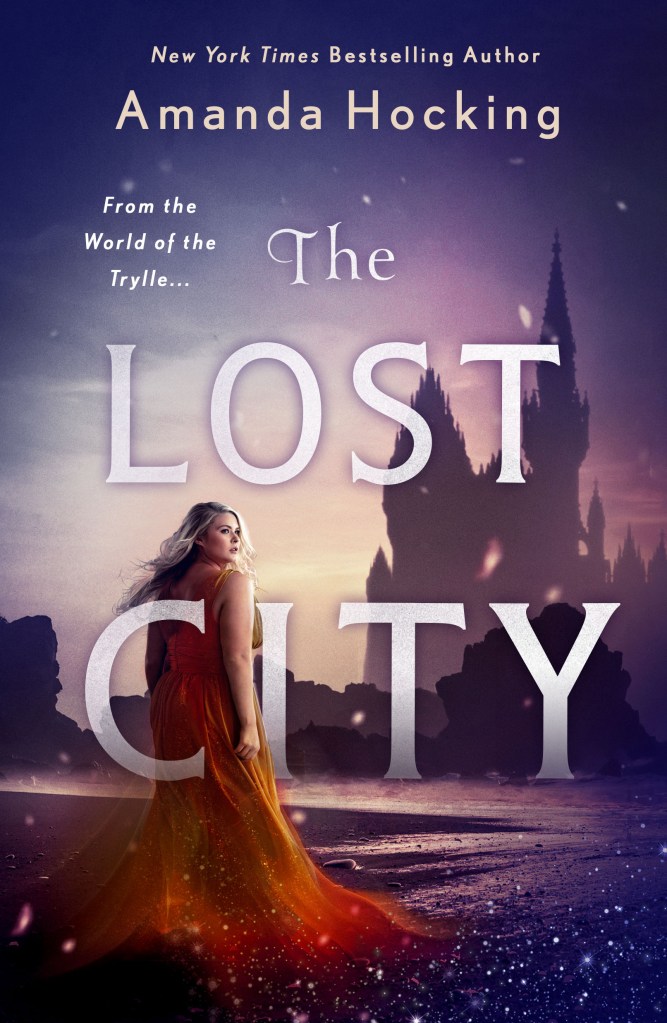





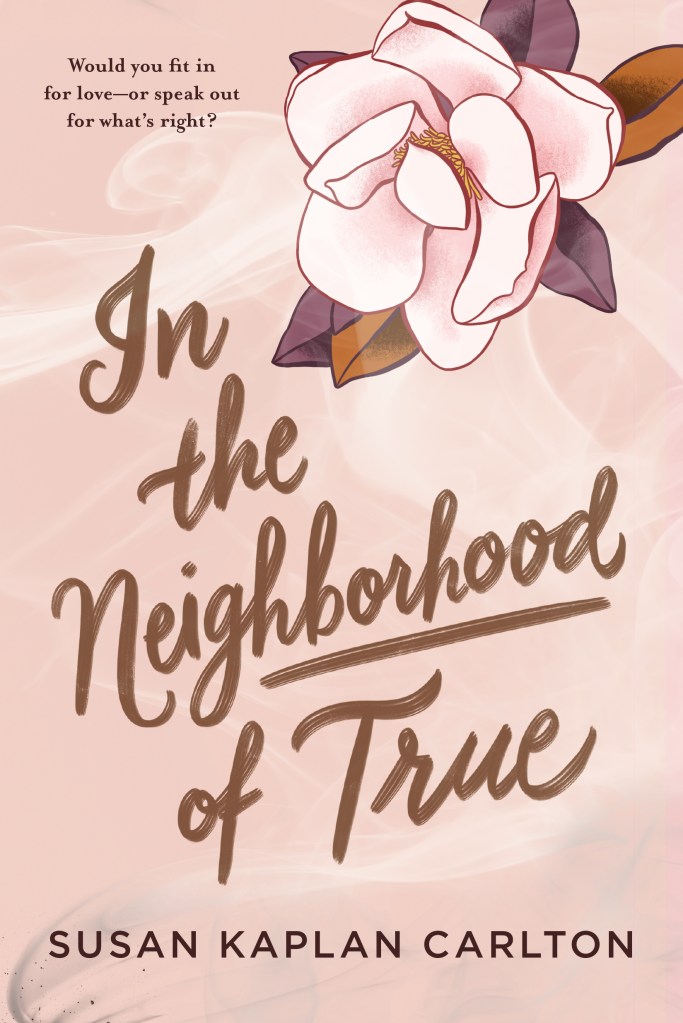











 Past Midnight Book Reviews & More